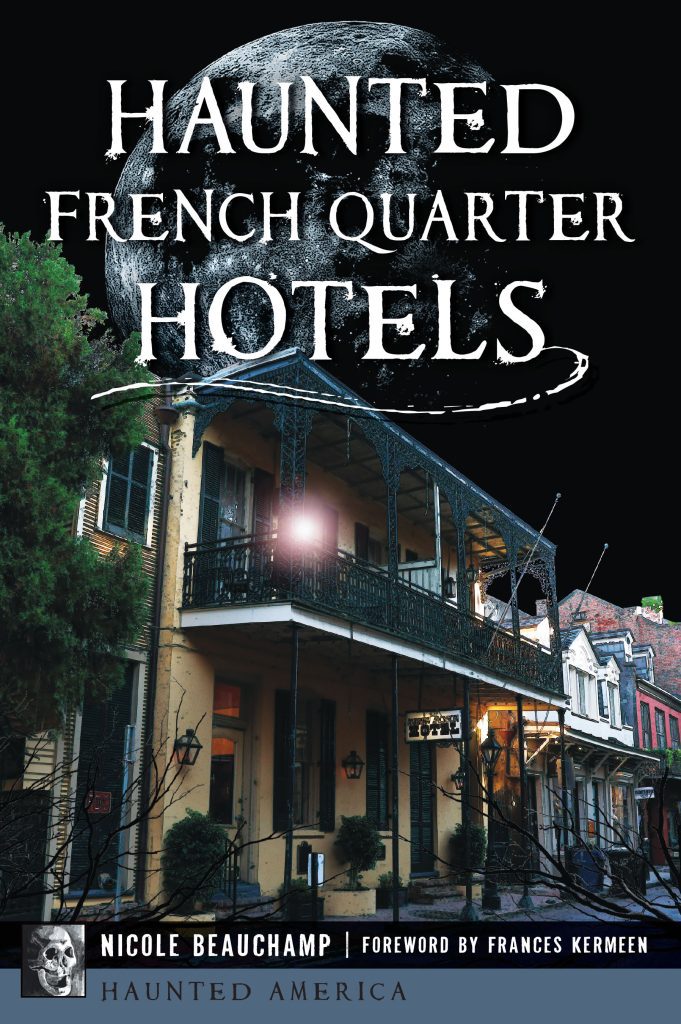
New Orleans: A History Buff’s Best Guide
These days, we have countless ways to learn about a new city. Between museums, libraries and the internet, a traveler can become well informed very quickly. But nothing beats exploring a city in person. From walking the streets and popping into museums or taking a guided tour, history is best absorbed on the ground.
Get up close and personal with a city’s famous landmarks. Walk along historic streets and dine at iconic restaurants. Ready to hit the pavement for a history lesson? New Orleans is ready to teach you. Leave your extra items with Bounce luggage storage service so you don’t get slowed down for even a minute as you check out our history buff’s guide to New Orleans.
Bourbon Street

When you do a lot of traveling, you come across phrases like “heart of the city” quite often. Folks typically use this phrase when they’re talking about city hall or a major gathering place. When it comes to New Orleans, that phrase perfectly suits Bourbon Street.
Bourbon Street is easily the most famous and recognizable part of the city. It’s 13 blocks long and is located in the French Quarter (an area you’d best believe we’ll return to later). What makes Bourbon Street so special? Well, it’s one of the oldest parts of New Orleans.
In fact, Bourbon Street was first constructed in 1718 and was named for the French royal family ruling at the time. Since then, it’s served as a major cultural center for the Big Easy. Jazz players line the streets, restaurants like Galatoire’s serve up classic cuisine, and Mardi Gras parades pass by each year. Don’t miss Jean Lafitte’s Blacksmith Shop dating to 1772 and full of legends and mystery associated with Louisiana’s best known pirate.
Fort Macomb
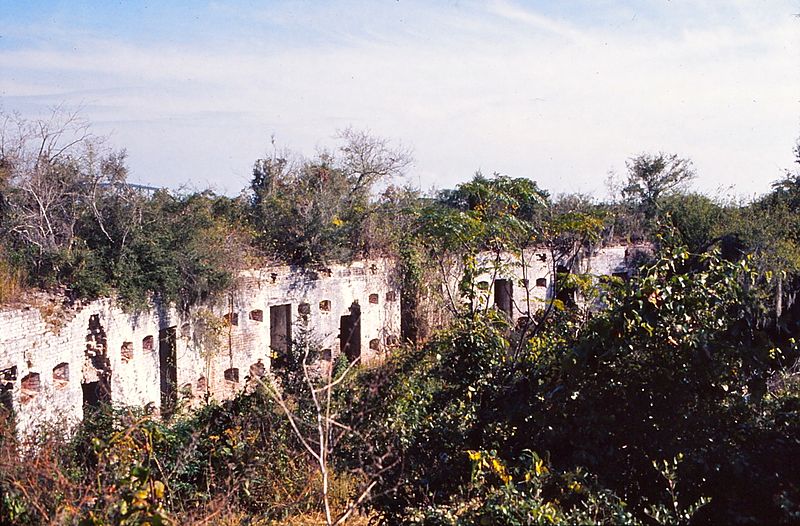
Old forts are always an amazing sight. Most of them are in impeccable condition, despite being decades or even centuries old. If you look carefully, you can even find bullet holes or bits of shrapnel from ancient battles.
That’s exactly the case with Fort Macomb just outside of New Orleans. American soldiers built this fort in 1822 seven years after British troops invaded New Orleans. It is part of a three-fort system to protect the city from water attacks. Fort Macomb caught fire in 1867 and was decommissioned, so it hasn’t seen battle for some time, but it always welcomes visitors and history lovers. You may also recognize it from the first season of HBO’s “True Detective.”
French Quarter
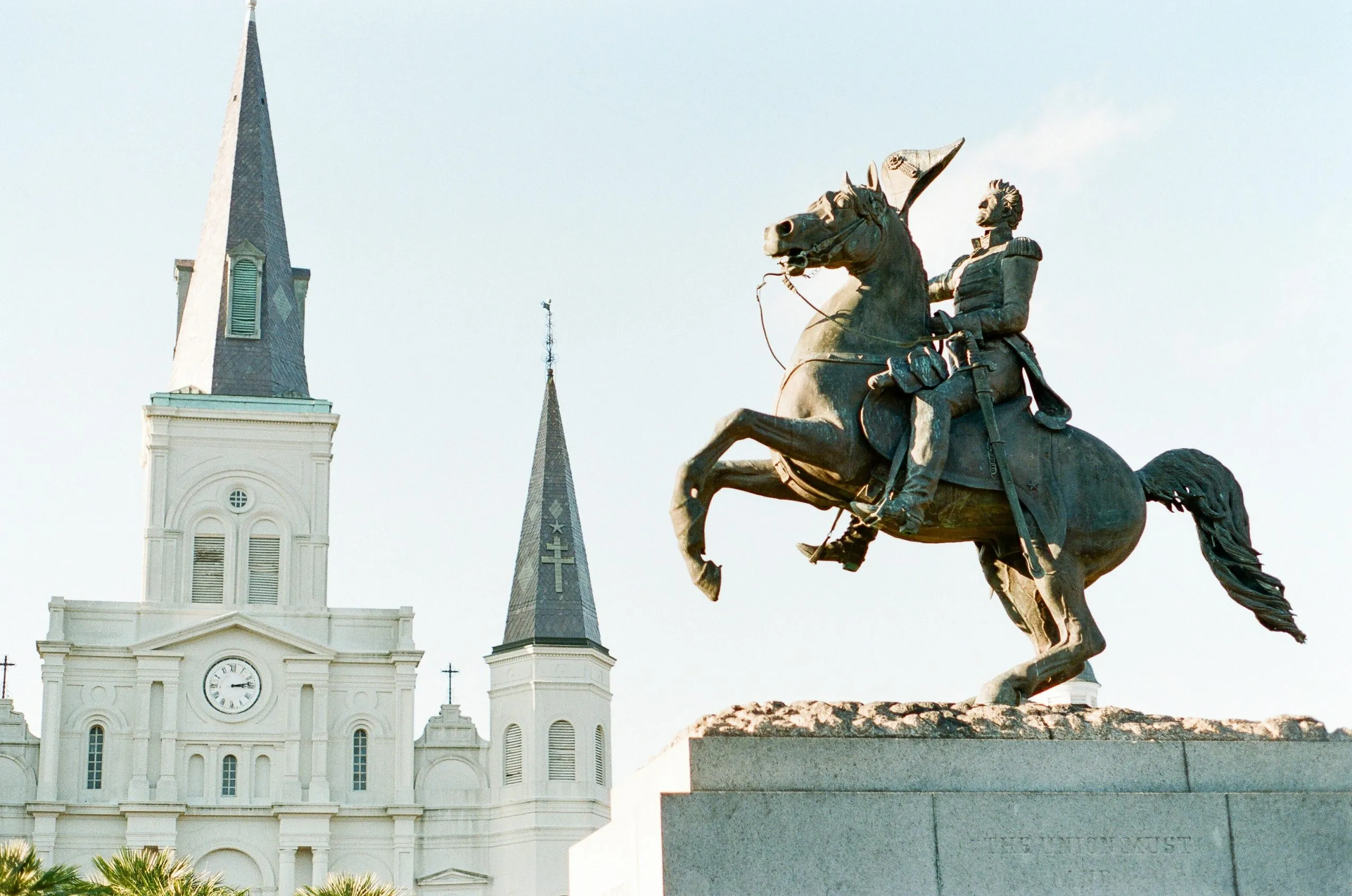
We said we’d come back to this one earlier—and how could we not? The French Quarter is a major cultural treasure in New Orleans. As you’ve probably learned by now, New Orleans is heavily inspired by French culture.
Back in the 1700s, Louisiana was a territory of the French empire. The Spanish controlled the territory for decades, then returned it to the French in 1802. It wasn’t until 1803 that Louisiana became a part of the United States. The French Quarter is a remnant of the Big Easy’s history and dates to 1718.
There’s a lot of things to do, sights to see (including voodoo, vampires and pirates) and food to eat in the French Quarter or Vieux Carre. One could spend an entire day meandering through the old neighborhood and still only scratch the surface of what’s available. Jackson Square is just one of the numerous attractions you’ll find. Photos of this famous gathering space have cropped up everywhere from magazines to movies. History buffs will have likely noticed that Jackson Square is named after Andrew Jackson, the seventh president of the U.S.
Today, Jackson Square is a haven for artists, musicians and street performers. This area is always lively and always full of pleasant surprises. It’s no wonder thousands of folks visit this place every single day.
Garden District

Architecture lovers should make a beeline for the Garden District. Nineteenth century mansions and carefully crafted avenues are on full display here and date to the 1840s. “Classy” is the operative word for this area—as in everything looks, feels and tastes opulent.
Creole architect Barthelemy Lafon is the mastermind behind the Lower Garden District. He also hung out with pirate Jean Lafitte when he wasn’t designing neighborhoods. Oak-lined streets, Lafayette Cemetery No. 1 and shopping on Magazine Street also make up the Garden District. Some of the city’s oldest and wealthiest families still live here, and many houses sit on double lots with cast iron fences, landscaped grounds and Victorian fronts.
Louisiana State Museums
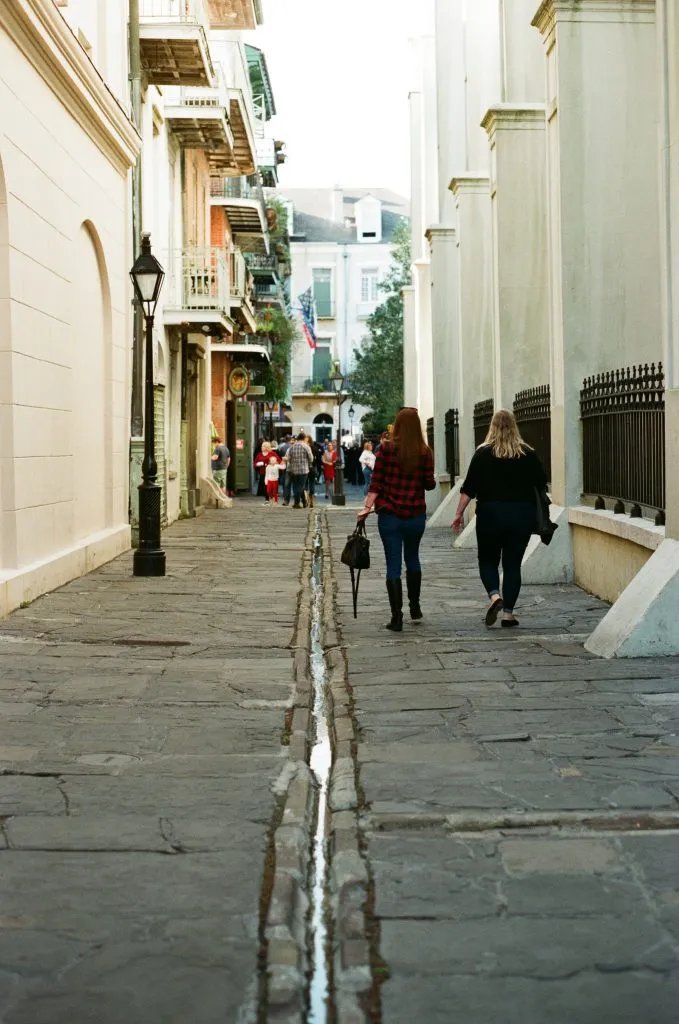
Some might think of history as a static, unchanging entity. However, our entire perception can change the more we learn about the past. That’s why places like Louisiana State Museums are so important. In New Orleans, you can visit The Cabildo, The Presbytere, 1850 House, New Orleans Jazz Museum at the Old U.S. Mint, Louisiana Civil Rights Museum,
The Cabildo is located next to St. Louis Cathedral in Jackson Square in a Spanish colonial building. It is the site of the Louisiana Purchase transfer ceremonies in 1803 and has three floors of exhibitions covering the history of Louisiana. Also in the French Quarter, the Presbytere has two permanent exhibits on Mardi Gras and Hurricane Katrina, and 1850 House displays mid-19th century prosperity, taste and daily life in New Orleans.
Preservation Hall
Jazz lovers ought to head straight to Preservation Hall when they arrive in the French Quarter. This venue is lauded as one of the most important jazz centers in New Orleans. Since 1961, Preservation Hall has honored the memories of New Orleans’ most beloved musicians.
On any night of the week, you can hear live jazz, whether it be from the house band or visiting musicians. This venue is also for all ages, so the whole family can come. Note that Preservation Hall is closed through Oct. 31 for renovations, so music will be moved to the Toulouse Theatre.
New Orleans Jazz Historical Park

It’s not hard to see which factors shaped and molded New Orleans into the city we know and love. The French Quarter is a reminder of the city’s past.
No matter which part of the city you’re in, there’s something you’ll almost always hear: jazz music. Jazz is just as pivotal to New Orleans’ culture as the Louisiana Purchase or any major event you’d find in a history book.
Enter the New Orleans Jazz Historical Park, a venue dedicated to icons like Louis Armstrong and Lizzie Miles. Monuments, exhibits and tons of green space make this park a must for jazz lovers and history buffs.
St. Charles Streetcar Line
Traveling from one side of New Orleans to another can make for quite a trip, especially if you ride by streetcar. The St. Charles Streetcar line holds a special place in New Orleans’ history. It’s the oldest streetcar line in the entire world, having been active since 1835 at least.
Get a day pass for just $3 and hop on in the central business district to go uptown to Audubon Park, the Garden District, Commander’s Palace restaurant, Pontchartrain Hotel and many other sites. When you ride along the St Charles line, you ride along centuries of history.