
How Travelers Are Rethinking Rest and Adventure in the South
What if the best part of your trip wasn’t how much you did, but how rested you felt when it ended? More and more people are starting to rethink what travel should feel like. Instead of cramming every day with activities, they’re slowing down. The focus is shifting toward comfort, quiet and small moments that actually stick with you. It’s not about skipping fun—it’s about doing what feels right without rushing.
That’s especially true in places across the Southern U.S., where the pace tends to be more relaxed and the scenery invites you to breathe a little deeper. Even well-known spots like Branson, Missouri, are gaining attention for their peaceful side, not just the entertainment. We will explore how today’s travelers are choosing rest and balance over the old idea of nonstop adventure.
Comfort with a View: Resorts That Give You Space to Breathe
One of the most noticeable shifts has been the move toward accommodations that support this new kind of travel. Gone are the days when travelers wanted a room just for sleeping. Now, they want their lodging to feel like part of the journey. Somewhere they can rest, reflect and still have access to light, low-key adventure.
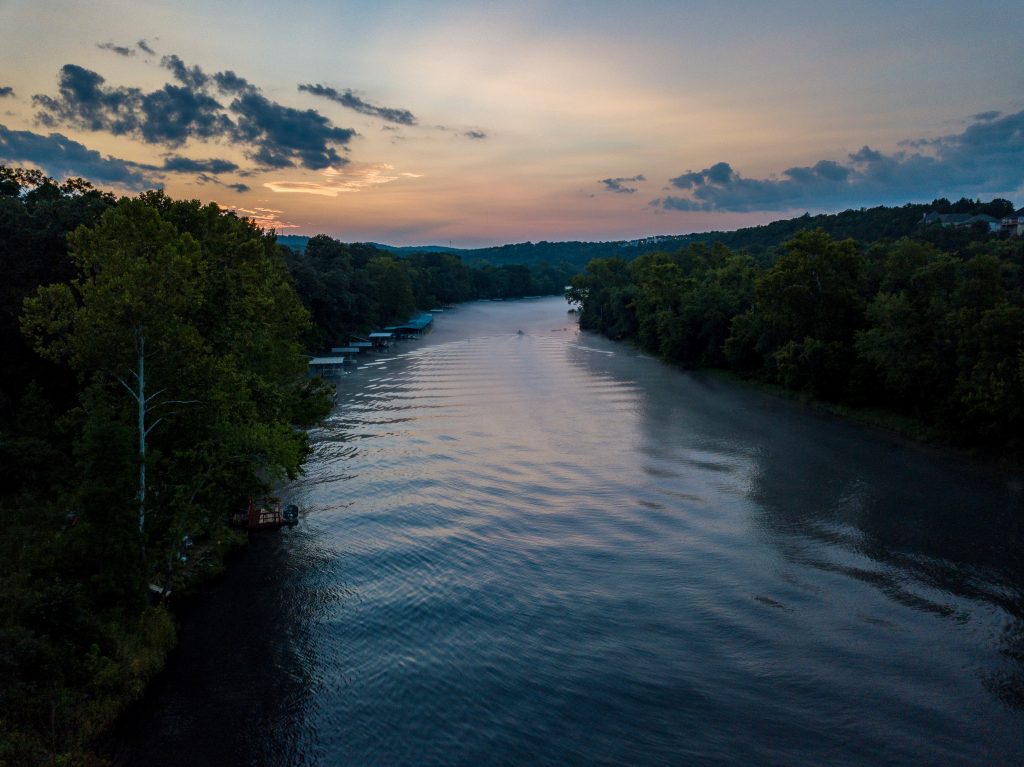
In places like Branson, Missouri, this balance is easy to find. Known for live shows and family attractions, Branson also has a quieter side—rolling hills, wooded trails and scenic overlooks that invite you to take your time. If you’re planning a visit, make sure to look up Branson Missouri resort prices while preparing your itinerary. Doing a little research can help you uncover places that offer both comfort and value, especially if you’re planning to stay more than a couple of nights.
One standout option is Westgate Branson Woods Resort. It’s tucked into the trees just enough to feel like an escape, but still close to everything this town has to offer. On-site walking trails, indoor and outdoor pools and relaxed family activities make it ideal for those who want gentle adventure without leaving the property. Cozy cabins, lodge-style rooms and welcoming common areas make it easy to rest without feeling removed. It’s the kind of place where the fireplace might end up being your favorite attraction.
Garden Walks and Quiet Corners: New Destinations for Reflection
Botanical gardens and open-air retreat spaces are becoming the surprise heroes of Southern travel. These stops don’t require tickets, strict schedules or group tours. All they ask is that you slow down long enough to notice what’s blooming.

In Alabama, the Huntsville Botanical Garden gives guests the space to wander under shaded pathways, breathe in fresh lavender and listen to the buzz of bees instead of city noise. In Georgia, the Gibbs Gardens in Ball Ground present acres of soft, flowering peace. These destinations are designed for people who want their adventure to feel like an exhale.
Travelers are also finding comfort in spiritual retreat centers like Elohee in North Georgia or Well Being Retreat Center in Tennessee. These spaces allow time for journaling, gentle yoga or simply sitting on a porch watching fog lift off the treetops. When the goal is emotional rest, you don’t need more to do—you need more room to be.
Nature Without the Rush
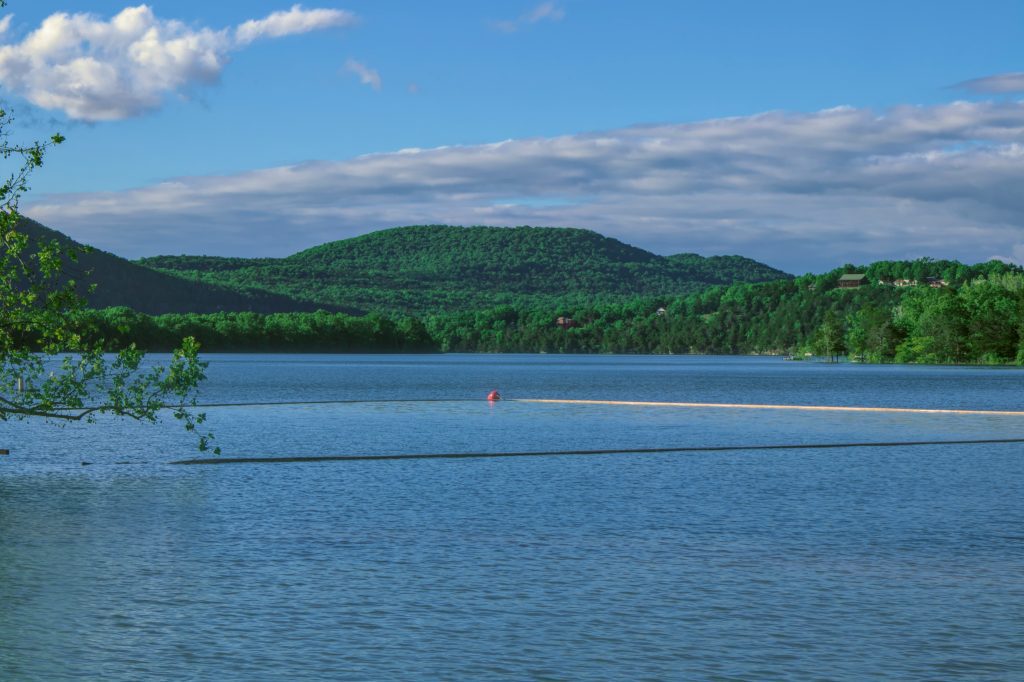
More travelers are swapping guided bus tours and packed sightseeing stops for slow hikes and local trails. Whether you’re in the Ozarks, the Smokies or the piney woods of East Texas, the Southern landscape offers plenty of chances to reset with fresh air and gentle motion.
Even in busy spots like Gatlinburg, there are quiet corners like the Sugarlands Valley Trail—an easy path that gives you nature without the uphill climb. In Arkansas, Hot Springs National Park provides forested walks that mix natural beauty with historic charm. And, in Mississippi, Tishomingo State Park winds past moss-covered boulders and trickling streams, with barely another soul in sight.
The Return of Comfort-First Travel
Comfort isn’t something travelers accidentally find any more—it’s something they build their entire trip around. That might mean choosing a cabin with a fireplace and a private hot tub instead of a room near the highway. Or planning a day that includes just one meaningful stop, like a visit to a local market or botanical garden, followed by a long, slow lunch at a tucked-away café. For many, comfort means less structure and more room to breathe.
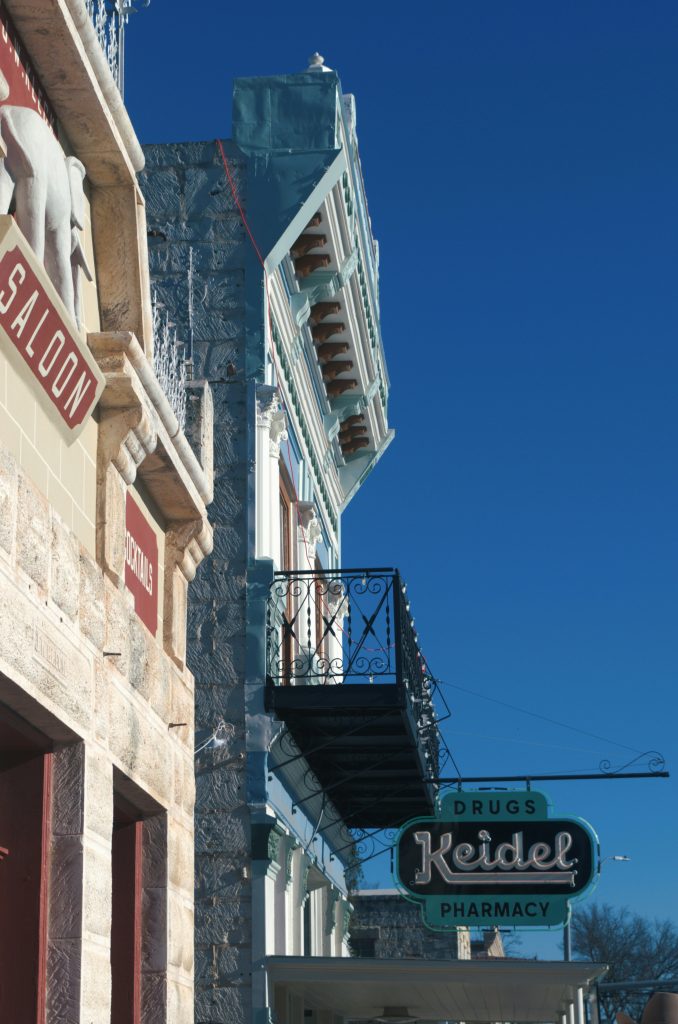
Take Fredericksburg, Texas, as an example. A couple might spend their morning strolling through the town’s historic district, then head back to their B&B to sip on a nice beverage on the porch instead of rushing to the next big thing. Or in Sevierville, Tennessee, a family may start their day with a light hike through the Smoky Mountains and spend the afternoon lounging at a resort pool, skipping the crowds altogether.
Comfort-first travel doesn’t replace adventure—it just softens it. A scenic drive through the Blue Ridge Parkway becomes more appealing than racing between back-to-back attractions. A home-cooked dinner enjoyed in quiet becomes the highlight instead of a noisy restaurant reservation. The idea is simple: Comfort is no longer the fallback option—it’s the goal.
Choosing Moments Over Schedules
The perfect trip doesn’t need a perfect plan any more. Travelers are learning that the best experiences come when they aren’t overbooked. This might mean staying longer at a scenic overlook than you’d planned. It might mean canceling a reservation because a nap suddenly sounds better. And that’s OK.

In Charleston or Savannah, this flexible style lets you wander from one discovery to the next. You might follow the sound of live music or detour through a quiet cemetery full of old stories. When you leave room in your day, you give yourself more chances to stumble onto something unforgettable.
Adventure That Knows When to Rest
Adventure doesn’t always mean motion. Sometimes it means awareness. Being present for a sunrise. Letting the woods go quiet around you. Taking a deep breath and deciding not to rush.
This shift toward thoughtful travel is changing the way people see the South. It’s not just a region full of places to visit—it’s a region full of ways to feel. And that’s what people want most now: not the most photos, not the most miles, but the most meaning.


