
Why the Deep South Remains Less Gambling-Friendly Than the Rest of the United States
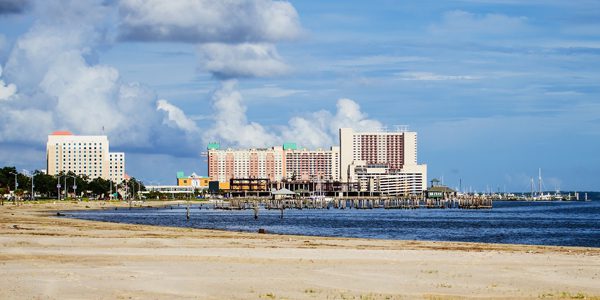
Gambling rules across the United States have loosened quite a bit, though not in a uniform way. Some states embraced casinos and sports wagering almost overnight, while others approached the topic slowly, sometimes reluctantly. Legislatures that once couldn’t agree on the matter found a surprising middle ground when new tax revenue projections entered the conversation. This wider acceptance didn’t erase regional differences, though. The Deep South, in particular, kept its guard up. The hesitations found aren’t based on a single idea but a blend of historical memory, local expectations and years of political messaging that still carry weight among long-time voters.
A Region Known for Hesitation
The South’s slow pace is noticeable if you compare it with faster-moving states like those in the Northeast. It doesn’t always mean resistance; sometimes it’s the desire to avoid dramatic shifts when communities feel comfortable with what they already have. The patchwork outcome is easy to see: one state welcomes casinos along riverfronts, while a neighbor continues limiting gambling to modest lottery sales. These choices reflect the region’s instinct to move carefully rather than chase every new national trend.
Changing Consumer Habits
Online gambling changed the conversation in ways that surprised some Southern legislators. People who never visited a physical casino had no trouble exploring digital tables or slot libraries through legal, offshore alternatives. Stake, a well-known crypto-focused casino platform, became especially popular for its fast signups and large game selection. As a result, a portion of these players began looking for a Stake alternative to access a broader game mix, simpler sign-ups and platforms that accept cryptocurrency. Their interest has continued to grow quietly. What’s emerged is an odd contrast where residents are curious about online entertainment, while policymakers still remain unsure about how quickly to catch up.
Differences From State to State
The Deep South isn’t a single story, and the variations are hard to miss. Mississippi’s casino industry, which developed decades earlier, plays a large role in the state’s coastal economy and still draws visitors from across the region. Louisiana mixes different gaming formats and treats them as part of an established tourism sector. Alabama keeps most forms tightly restricted, aside from limited tribal operations and certain bingo venues, while Georgia’s lawmakers revisit casino bills year after year without fully committing. Tennessee sits in its own category with sports wagering but no brick-and-mortar resorts.
Economic Debates and Legislative Slowdowns
Arguments in favor of expansion often sound straightforward: jobs, tourism dollars and new state revenue. But these points don’t move Southern legislatures as quickly as they do elsewhere. Lawmakers often dig into the details, requesting additional studies or asking how new casinos might affect smaller counties. Their caution can stall even modest proposals. Sometimes bills pass one chamber and then disappear without a vote in the other. This stop-and-start pattern frustrates business groups that hope to attract investment, yet the slow tempo is familiar to residents who have watched similar debates play out for decades.
The Weight of Tradition

Many communities in the Deep South hold tight to long-standing values, and this shapes discussions more than outside observers might expect. Residents sometimes draw a distinction between what they choose to do personally and what they want established as a local institution. For example, someone may enjoy an occasional trip to a casino across the state line but still hesitate when asked whether they’d support one opening near their home. These mixed feelings shape how officials speak about the issue. They often tread carefully, aiming to respect the region’s cultural patterns even when economic arguments point in the opposite direction.
Pressure From Surrounding States
When neighboring states generate strong tourism revenue through casinos or sports wagering, comparisons become inevitable. Mississippi and Louisiana, in particular, see steady traffic from people living in states that maintain tighter restrictions. That movement doesn’t go unnoticed by legislators who track how much money residents spend elsewhere. Some business coalitions argue that holding out for too long could weaken the region’s overall competitiveness. Whether the idea resonates depends largely on the state. In some capitals, the message lands quickly; in others, officials prefer to preserve a cautious approach, even if it means losing potential visitors to nearby markets.
More Tech-Comfortable Voters and Changing Expectations
People who grew up using apps for everything, from paying bills to ordering dinner, tend to look at gambling in a pretty down-to-earth way. Instead of getting stuck on whether the industry belongs in the region, they’re more likely to wonder how convenient it is, if the rules make sense or whether the whole thing is being run aboveboard.
And as this group gets older and more involved, their outlook naturally drifts into the ears of lawmakers who, for years, mainly heard concerns coming from an older set of voters. Nothing changes overnight, of course, but the range of opinions at the table gets wider, and that ends up nudging how future proposals are talked about.
What the Region Might See Going Forward
Every year, the legislature ends up revisiting some kind of gambling proposal. Some are tiny tweaks; others swing for the fences. Most of them don’t go anywhere fast, yet they keep popping back up often enough to show that the interest hasn’t dried up.


