
Planning Your First Family Trip: What to Know Before You Go
Ever tried herding kids, carry-ons and a stroller through airport security while hunting for IDs or passports? No? You will soon.
That first family trip is a mix of chaos, snacks and big expectations. But it’s also about unplugging and reconnecting. Since 2020, more families are chasing memories, not just destinations. Places like Pigeon Forge, Tennessee, thrive on this shift—offering shows, cabins and outdoor fun built for families.
We will share what you need to know before taking that first big family trip, from choosing the right spot to navigating travel day with your sanity intact.
Know the Why Before the Where

Before you pick the perfect destination, figure out the point of the trip. That may sound obvious, but it’s often skipped. Are you trying to relax? Explore something new? Let the kids run wild? Do you want a beach with minimal logistics or a cultural city trip with museums and late nights?
Your reason shapes the plan. A vacation for unwinding looks different from a trip where you’re chasing experiences. And both are valid, but trying to do both on the same trip often ends in disappointment.
If you’re looking for fun Pigeon Forge things to do, then consider Dolly Parton’s Stampede. It’s not just a show; it’s a full-blown event that combines horses, stunts, music and a Southern-style meal. These kinds of experiences hit a sweet spot: entertainment the kids adore that doesn’t feel like a chore for parents.
That’s what you’re aiming for—activities that meet in the middle. Don’t build a trip around attractions only the kids will enjoy. But don’t plan it solely for grown-up peace and quiet either. The best first trips strike a balance.
Budget Is Not a Bad Word

Talking about money isn’t fun, but it’s necessary. You need a real, honest look at what you can spend. Not what you hope to spend, but the number that won’t make you twitch when the credit card statement arrives.
Start with transportation and lodging. These are your biggest fixed costs. Then layer in food, attractions and all those sneaky extras like parking, snacks and impulse buys. If your kids are old enough, give them a small daily allowance for souvenirs. It teaches budgeting—and stops the endless “Can I have this?”
Also, budget emotional energy. You might have the money to fly across the country, but do you have the bandwidth to deal with two layovers and a screaming toddler? Consider all possibilities.
Pack for Reality, Not Instagram
Every family has that one suitcase filled with regrets. It’s usually the one with six outfits per child “just in case.” Resist the urge to pack like you’re styling a catalog. Think function over fashion. Think layers. Think “can I wipe this clean with a napkin?”
Don’t forget medications, favorite comfort items and enough snacks to feed a scout troop. And be honest about your kid’s attention span. A three-hour museum visit might sound enriching, but if they lose it after 20 minutes, no amount of gift shop bribery will save you.
Keep tech simple. One tablet loaded with movies and games can save the day, but don’t lean on it entirely. Try travel bingo, sticker books or even a playlist the whole car can sing along to. Sometimes the low-tech options hold up better.
Timing Can Make or Break the Trip

Timing isn’t just about when you go. It’s about understanding how your kids move through the day. Are they better in the morning? Plan the zoo early and save the hotel pool for the afternoon. Traveling with a toddler? Avoid the temptation to over-schedule. A day with one or two anchor activities leaves room for naps, snacks and meltdowns—yours or theirs.
Also, think about when during the year to go. Off-season can mean cheaper rates and fewer crowds, but it might come with closed attractions or unpredictable weather. Early spring and late fall draw crowds for a reason, but they often come with the most congestion and noise. If you’re tied to the school calendar, consider long weekends as practice runs before a bigger vacation.
Expectations Are Everything
Here’s where most first-timers go wrong: They expect it to be magical. And parts of it will be. But parts will be loud, sticky, confusing and make you wonder if staying home wasn’t the better idea.
Set your expectations accordingly. Travel with kids is not a vacation in the traditional sense. It’s more like doing your normal parenting job, but with less sleep and more scenic backdrops.
Let the Kids Have a Say
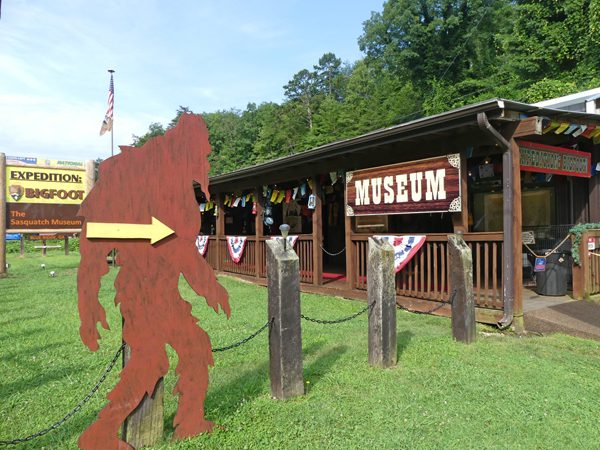
Involving kids in planning doesn’t mean letting them choose the hotel, but it does mean asking what they’d enjoy. A simple “would you rather go to an aquarium or take a boat ride?” gives them ownership.
For older kids, let them help with packing or make a short list of things they want to see. Even younger ones can be part of choosing snacks or travel games. This lowers resistance on the trip and builds excitement.
And yes, prepare them for travel days. Walk them through airport security, explain hotel check-ins and talk about patience during long drives. The more they know, the fewer surprises. And fewer surprises mean fewer meltdowns.
The Memories Are in the Middle Moments
So, what’s the bottom line here? Don’t chase the highlight reel. Focus on connection. Eat dinner together without phones. Let them stay up a little late one night. Take the detour to the world’s largest ball of twine. These are the moments that will stick.
That first family trip isn’t just about getting away, it’s about seeing how your family works together outside of the usual routine. There will be bumps. But there will also be stories you tell for years.
So pack the patience, lower the bar a little and prepare to be surprised—in all the best ways.


