
Growing Black History
A review of When Trees Testify, a book looking at the connections between African American history and botany.
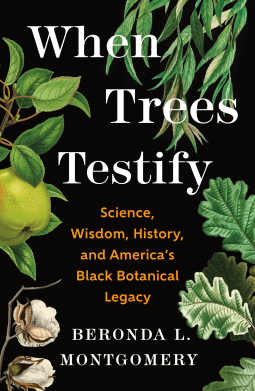
When Trees Testify is an inciteful, rich look into the world of American Black botany. It guides readers through the different, personal experience of author Beronda L. Montgomery, as she details the many different types of plants that African Americans have contributed to. This ranges from the typical cotton and cotton seeds associated with slavery in America, through to the strong oak or sycamore trees that provided guidance and shelter for different African American communities. All of this comes together to create an interesting and engaging read with each chapter.
“I seek to acknowledge–indeed, even to celebrate–a link between Black people and botany and trees that imparts a greater ability to see our history through the lens of expertise, agency, even freedom; that acknowledges but expands far beyond the memories deeply rooted in the traumas of slavery. It is a lofty goal, but one easily in reach through increased knowledge of and appreciation for the trees, the people, and the reciprocity that lies therein.” – Beronda L. Montgomery
Montgomery takes the reader through different plant and tree types— and their association with the African American community. There are pecan trees and their strong connection to the familiar care and nature of Black families. Sycamore trees as guides and landmarks to both the youthful author and enslaved Africans alike. Willow trees and their association with solemn memories in Black communities. The cultivation of mulberry trees and their appearance in Black literature. Oak trees and their appearance in plantations and African American history. The use of cotton seeds as anti-birth devices for enslaved African women. The apple tree and apples as symbols of freedom for emancipated African Americans. Montgomery goes into significant detail regarding both the historical and botanical impact of these trees and plants, but also the personal impact they had on her life.
One of the most engaging parts of this book for me was the incorporation of the author’s own personal stories that link back to her historical understandings. The introduction, in which Montgomery gives an anecdote regarding a school project involving “talking to trees,” opens the book nicely and levels with the reader about the initially strange title. The different stories about the author’s childhood in Arkansas and how they tie into the different trees, such as the sycamores she would see at her grandparents’ house and the mulberry jam, which opened new friendships and memories thanks to a mulberry tree. These stories, interspliced with historical recounts or botanical information, weave the importance of these plants on both a macro and micro scale.
Lastly, Montgomery represents just how important all these trees and plants were to the deep South. Especially for African Americans, many of these plants represented family, community or freedom. The strong emotional connections with African American communities in the South are still strong in modern times, beyond slavery and plantations. Southern African American communities have ties to all these plants still present in their lives, and Montgomery represents this connection through her personal accounts. Montgomery’s book captures the essence of the Southern African American’s relationship with plant life and trees, and shows how Southern history can be represented through understanding the botanical ties between them.


Jorge / February 27, 2026
Great article! Really insightful!