
The Architecture of Southern Hospitality
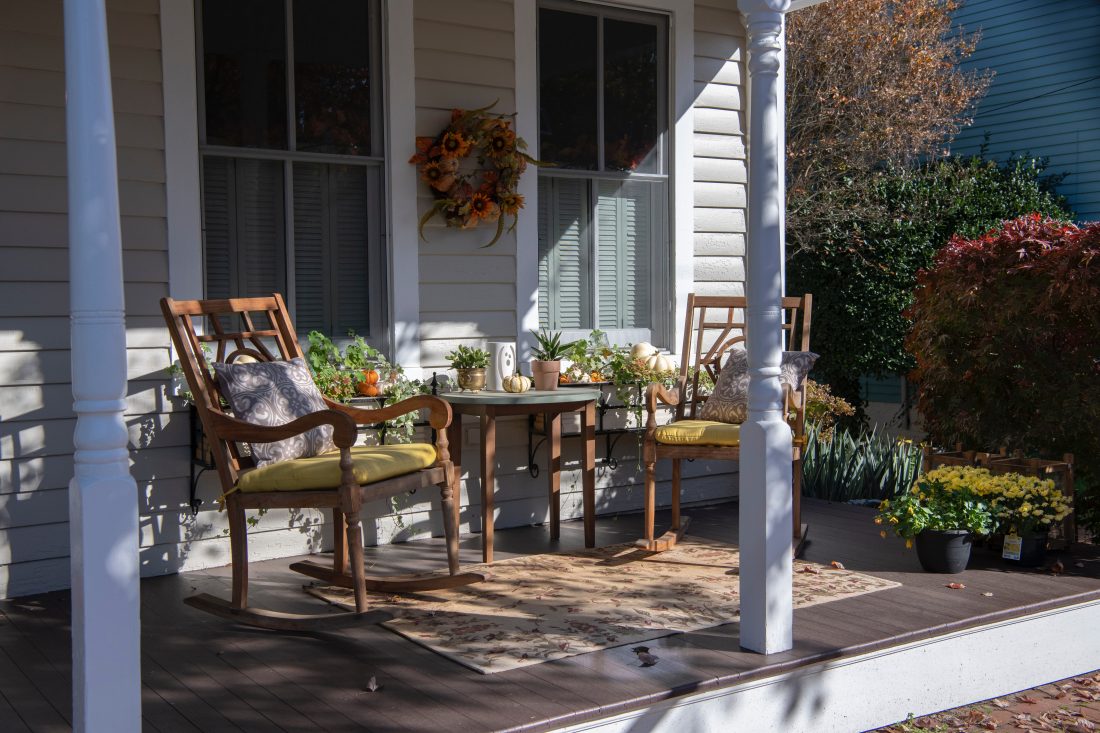
Talking about Southern hospitality is talking about manners. It can be something as simple as getting offered a glass of sweet tea, getting invited to stay over, having a nice home-cooked meal or just anything that makes guests feel at home. That’s what Southern hospitality is. But in the American South, hospitality is also something more. It’s something that transcends norms and behaviors and is so much integrated into the culture that it’s part of the landscape.
For generations, Southern homes have been designed with an idea in mind—an idea that life happens not only inside the house but also around and near it: on the porch, beneath a veranda, in the garden or outside in the courtyard.
The way of life, including Southern hospitality, has all contributed to that special feeling and even the architecture of the place, which in turn has helped create spaces where neighbors can stop and talk, places where families can gather and where visitors can feel welcomed by their friends and the community.
The Front Porch as a Social Space
We can’t talk about Southern life and not mention the front porch. Porches are practical, no doubt about it, as a response to hot weather. Some shade can go a long way, especially in an outdoor area. It not only protects against the heat and sun but also allows breezes to move around the house. But the porch isn’t just a “climate control” device. It is also a social room of sorts. A wide porch can provide places to sit without needing to go indoors. Chairs on it can face the street, which makes it good for social interaction, such as saying hello to friends and neighbors.
Families can also spend summer evenings on them in a comfortable, shaded enclosure. In many Southern towns, the porch was something that connected a home to its community.
Verandas, Piazzas and the Shade
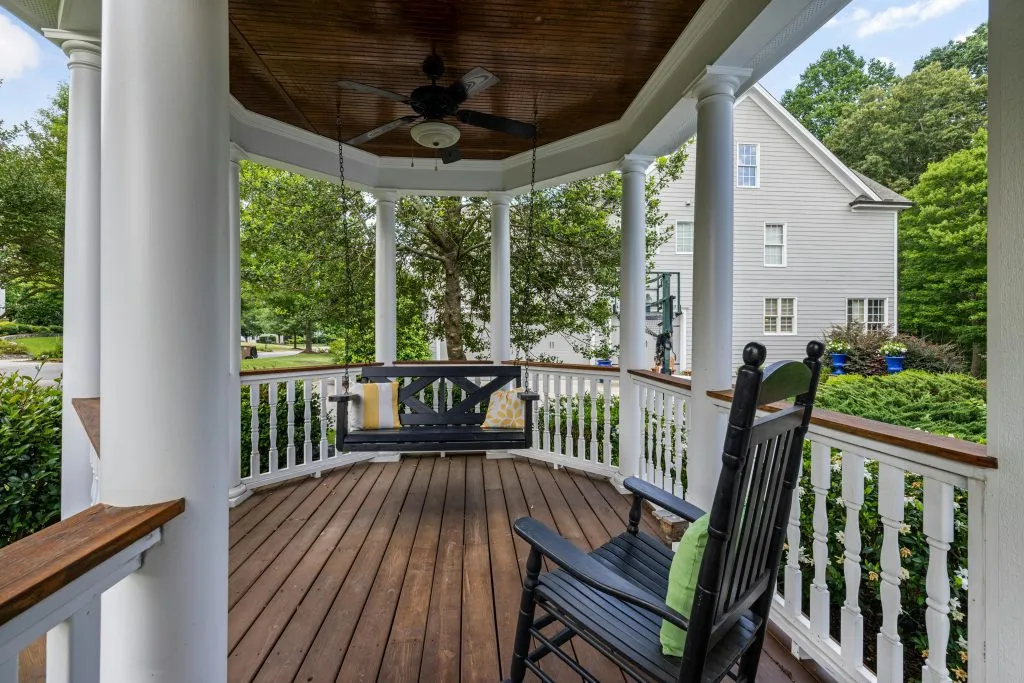
There are a lot of variations to the porch. For example, in Charleston and the South Carolina lowcountry, houses are known for piazzas: long, covered galleries that run along the side of buildings. They’re good spaces for shade and ventilation, while also being a spot for relaxation and chit-chat. In other places in the South, broad verandas and galleries kind of work in the same manner. It’s about having a common idea: Good architecture can make hot weather more bearable and also not separate people from the outdoors, but instead connect the two.
That’s one of the reasons why Southern architecture can generally feel comfortable, especially when taking into account the transition from the inside and the outside. It’s made to feel connected.
Courtyards Behind the Front Door
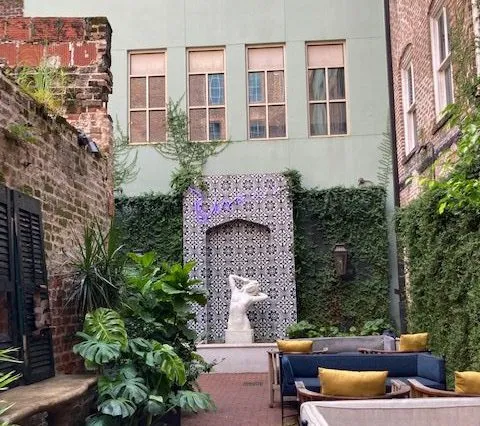
The thing is that not every outdoor space can be seen all the way from the street. In older Southern cities, for example, courtyards and enclosed spaces can be hidden behind walls, gates or facades. New Orleans is known for this kind of architecture, where buildings present a narrow face to the street while keeping the rest hidden in a more private approach.
That said, this doesn’t mean that such places aren’t beautiful; of course, they can be as well as practical. Courtyards can provide shade, greenery and ventilation, and also give their residents a place to escape all the noise and heat from the outside city. This idea is not really exclusive to the South. Courtyard architecture is a thing that exists in cultures around the world, especially where shade and airflow are important.
When you go and compare a space like New Orleans courtyards with some other place like Granada (Spain)—specifically the famous Alhambra—you’ll notice how both courtyards were designed to provide things like shade and privacy, plus a connection between the indoors and the outdoors. If you were to book a private Alhambra tour in Granada, you’d also see how the American South still uses those architectural elements today. Southern architecture developed from a mixture of European, African, Caribbean and American influences, while, on the other hand, the Alhambra shows architectural traditions of medieval Islamic Spain.
Southern hospitality and its architecture don’t feel separate from everyday life. The front porch faces out. Verandas create room for guests. Courtyards offer a place to hang out and gather. The garden makes the entire living space larger with, of course, the added bonus of greenery. The dining room brings everyone to the table. And so on. Each space welcomes in its own special way. That is what makes Southern architecture welcoming even to someone who never lived there. It’s a universal feeling and a universal idea that has been built into the architecture for generations and generations.


