Scandalous Southern titles by female authors to check out now.
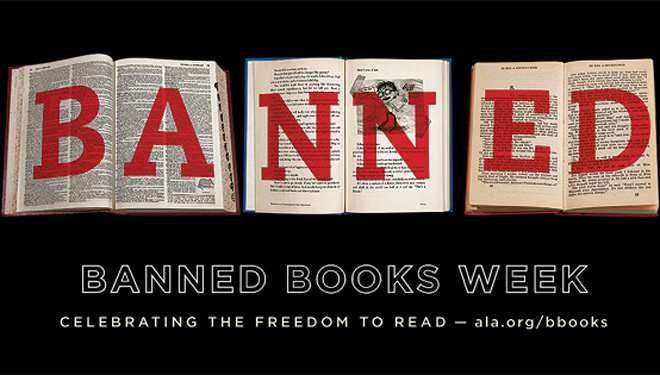
The American Library Association is kicking off Banned Books Weeks 2024 as another wave of censorship and book bannings sweep across America. PEN America reports over 10,000 instances of banning between 2021 and 2023, spanning 41 states and 247 public school district – affecting over 1,500 titles. Due to increased political tensions and greater attention to banning, this movement only continues to grow.
The South is no stranger to book bans, with some of the most famous Southern titles also being among the most challenged. Harper Lee’s To Kill A Mockingbird, Kate Chopin’s The Awakening, Zora Neale Hurston’s Their Eyes Were Watching God, and Dorothy Allison’s Bastard Out of Carolina are staples of Southern literature written by powerhouse female authors that have been profusely banned for their provocative content. Yet, these same works are vital to understanding identity and culture. Examining why these titles have been banned as well as their modern relevancy reveals the ongoing tensions between challenging uncomfortable truths and preserving the freedom to confront them.
To Kill A Mockingbird by Harper Lee
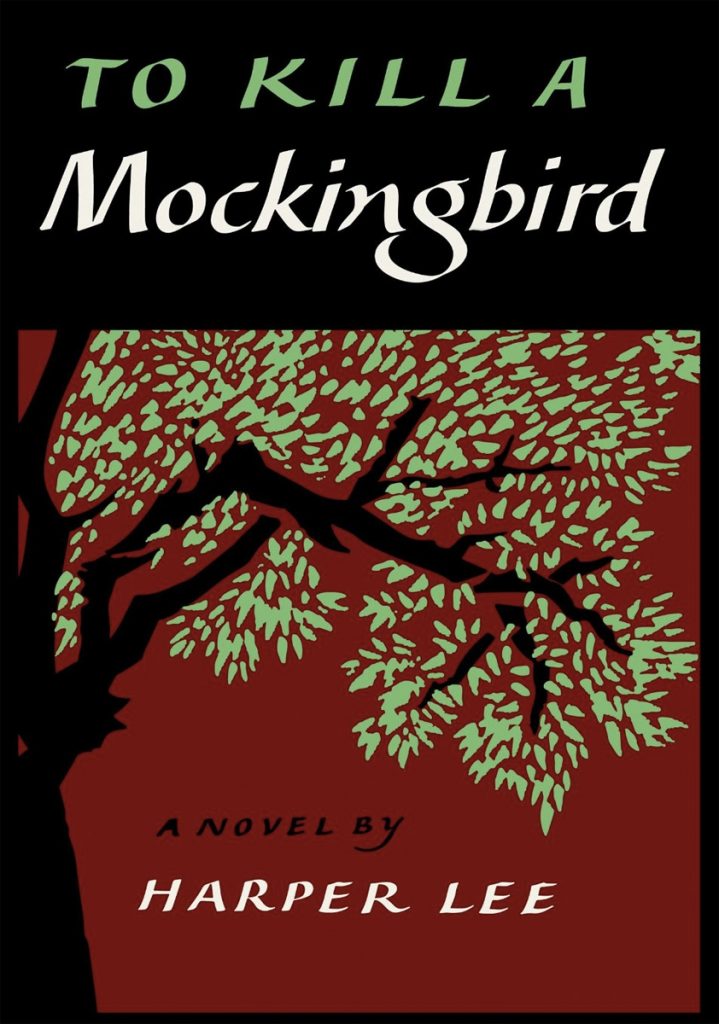
One of the most iconic banned books, Harper Lee’s To Kill A Mockingbird is a staple in English lit classes across the country. Through the perspective of young Scout Finch, Mockingbird follows the murder trial of a Black man falsely accused of raping a white woman. The classic has faced a plethora of challenges including language, racial slurs, rape, racial inequality and the use of the “white savior” trope.
Despite its controversies, Lee’s novel is one of the most important works in literature. When it was published in 1960, it captured the tensions of the Civil Rights Movement. Today, it remains evergreen in discussions about systemic racism and injustice. In continuing to prompt important conversations about privilege and empathy, the novel’s ability to inspire critical reflection makes it vital to modern discourse.
The Awakening by Kate Chopin

Considered scandalous upon its release in 1899, The Awakening by Kate Chopin continues to be banned for its depictions of female sexuality and its challenge to traditional gender roles. Set in Louisiana, the novel follows Edna Pontellier as she defies societal expectations by seeking independence and personal fulfillment. Copin’s explicit exploration of infidelity and a woman’s rejection of her maternal role was deemed immoral by 19th-century standards and remains controversial for its promotion of female autonomy.
The Awakening is a landmark work in Southern and feminist literature, not only for its daring content but also for its portrayal of Southern women’s constrained roles in society. In its time, it was groundbreaking for addressing a woman’s search to find herself – a theme that resonates deeply today. In modern discussions about feminism, women’s rights, bodily autonomy and gender equality, Chopin’s novel remains an essential text.
Their Eyes Were Watching God by Zora Neale Hurston
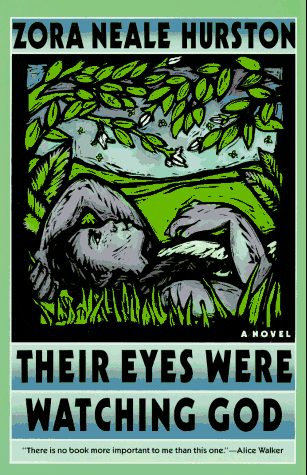
Zora Neale Hurston’s Their Eyes Were Watching God has been frequently banned for its inclusion of sexual relationships, violence and exploration of race and gender. Taking place in early 20th-century Florida, Hurston tells the story of Janie Crawford, a Black woman on a journey of self-discovery through three marriages. The novel’s frank portrayal of sexuality, domestic abuse and Janie’s rejection of traditional gender roles do not sit well with critics.
This is a seminal work of literature for its portrayal of a Southern Black woman navigating femininity. Written in 1937, Hurston was ahead of her time for emphasizing themes of self-empowerment, freedom and resilience. Today, the novel’s exploration of identity, autonomy and the intersectionality of race and gender continues to resonate as discussions about agency are examined in both historical and modern contexts.
Bastard Out of Carolina by Dorothy Allison

Published in 1992, Bastard Out of Carolina by Dorothy Allison has faced bans for its unflinching depictions of child abuse, rape and poverty. Set in South Carolina, the novel follows Bone, a young girl, as she endures horrific abuse at the hands of her stepfather. Critics argue that the explicit content of the novel, including graphic scenes of sexual violence, is too disturbing.
Though its subject matter is difficult, Allison’s work is essential due to its raw and empathetic portrayal of trauma, class and survival. The novel’s explorations of the rural working-class South and the systemic cycles of poverty and abuse sheds light on often overlooked aspects of Southern life. Its focus on resilience, family bonds and the struggle for identity amid hardship is timeless and remains particularly important for conversations about trauma, recovery and class.
Keeping Stories Alive
Banning books like those above reveals a persistent discomfort around literary culture with addressing the truth of difficult topics. However, the very themes that lead to these novels’ censorship – race, gender, poverty, class, abuse and social justice – are what define these stories as classics. These works of Southern literature offer powerful narratives with the capacity to provoke though, inspire empathy and spark necessary conversations, only highlighting the need to preserve literature rather than suppress it in literary and educational spaces. In uplifting these voices, we uphold the right to engage with diverse perspectives and ensure that literature continues to serve as a catalyst for change and understanding.
To check out this year’s remaining events, check out the ALA’s Banned Books Week site.